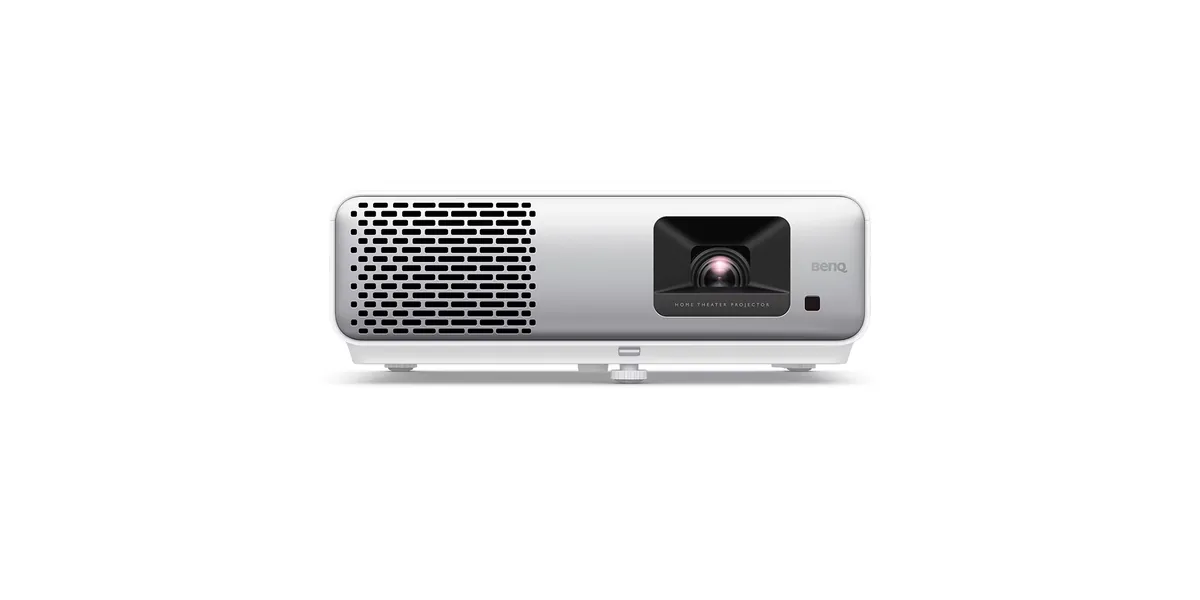
BenQ~$1,249
BenQ HT2060
Home theater · DLP · 1080p
- Brightness
- 2,300lumensANSI
- Screen at 10 ft
- 92–120 in
- Input lag
- 33 ms
- 2,300 ANSI lumens
- 20,000-hour LED
- 98% Rec.709
Best for: A movie-first 1080p setup that should never need a lamp
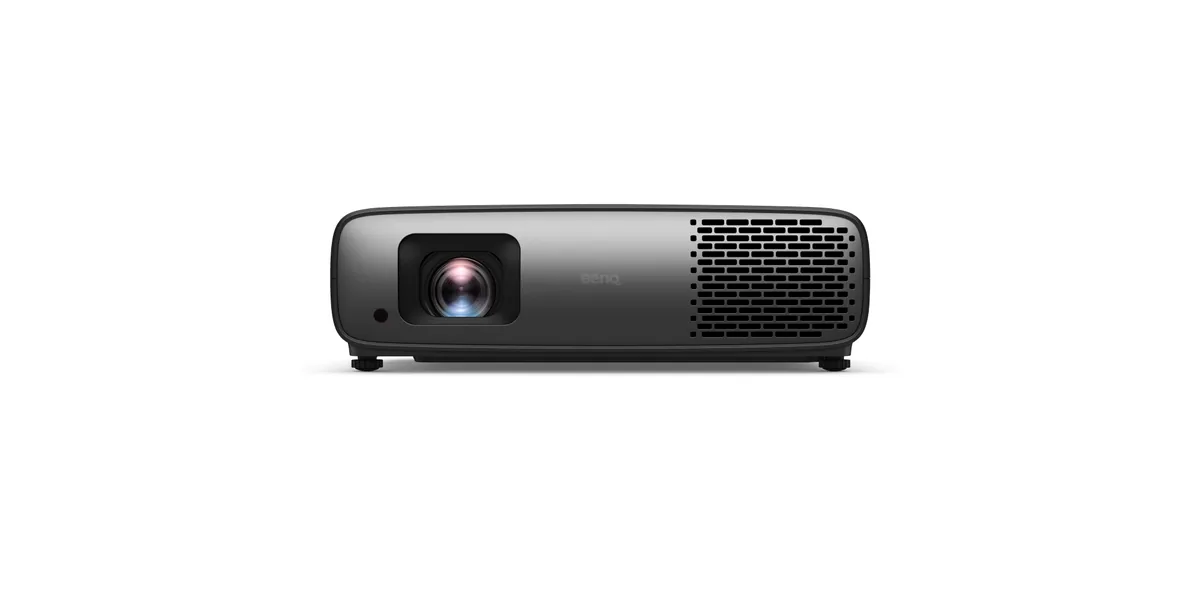 Home theater~$2,999
BenQ
BenQ's 4LED flagship: 3,200 ANSI lumens, 100% DCI-P3 coverage, and — unusually for DLP at this price — real horizontal and vertical lens shift. The i suffix means a certified Android TV dongle ships in the box, seated inside the chassis rather than dangling from an HDMI port.
Approx. price
~$2,999
snapshot, not a live price
Best for: A bright media room that wants wide-gamut color without a lamp
The two lists above are read off manufacturer specifications and published measurements, not from owner reports. Where owner discussion has been collected it appears separately below, so the two are never mistaken for each other.
This is the projector owners recommend to people who liked BenQ's gaming models and then discovered they could not mount one. The lens shift is what owners talk about first — a real vertical and horizontal range in a chassis that is otherwise the familiar four-LED platform, which turns an awkward install into a straightforward one.
Owners rate the colour highly. BenQ and Epson are the two brands they name as getting colour right without a calibration pass, and the LED engine's lack of a spinning colour wheel is a specific draw for anyone sensitive to the rainbow artifact.
Where owners hesitate is the comparison with 3LCD at the same money. Several argue directly that this should be measured against the best 3LCD projector under $3,000 rather than against other DLP models, and that on brightness and contrast for film watching, the 3LCD option still wins. Owners who want the gaming features and the placement flexibility in one box are the ones who buy this.
Lens shift. Owners who tried and failed to ceiling-mount the X-series describe this as the model that solved it, with a genuine vertical and horizontal shift range in place of the X-series' token amount. It keeps the same LED engine and gaming modes.
Owners are split and honest about it. The 3LCD competition is brighter and has better black levels for film; this has wider gamut from the LED engine, no lamp, no colour wheel and better gaming performance. Owners who mainly watch films tend to choose the 3LCD model.
Owners sensitive to it seek out this projector precisely because the four-LED engine has no spinning colour wheel, and report far fewer problems than with phosphor-wheel projectors. The colour-sequential mechanism still exists, so it is a large reduction rather than a guarantee.
No. It has HDMI 2.0 inputs, so 4K caps at 60 Hz; the 240 Hz figure in the specifications applies at 1080p. Owners with a current console who want high-refresh 4K look at projectors with full-bandwidth HDMI 2.1.
Owners say no — it is a single 5 W mono driver, and at this price they consider a soundbar or receiver mandatory rather than optional.
Home theater · DLP · 1080p
Best for: A movie-first 1080p setup that should never need a lamp
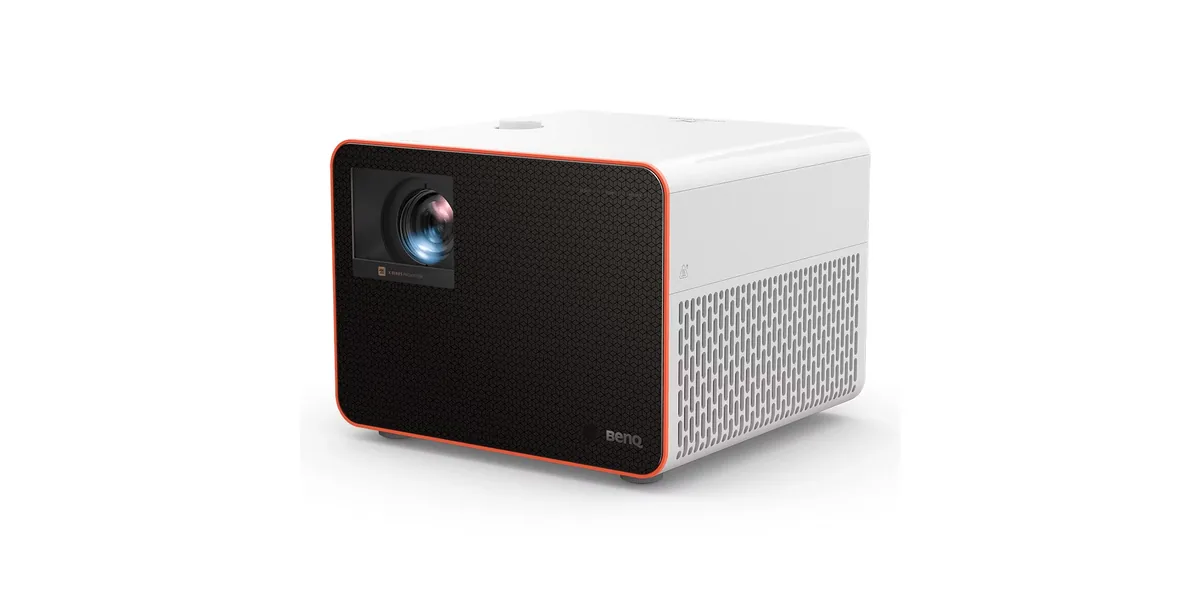
Gaming · DLP · 4K pixel-shift
Best for: A console gaming room that also has to work as a movie room
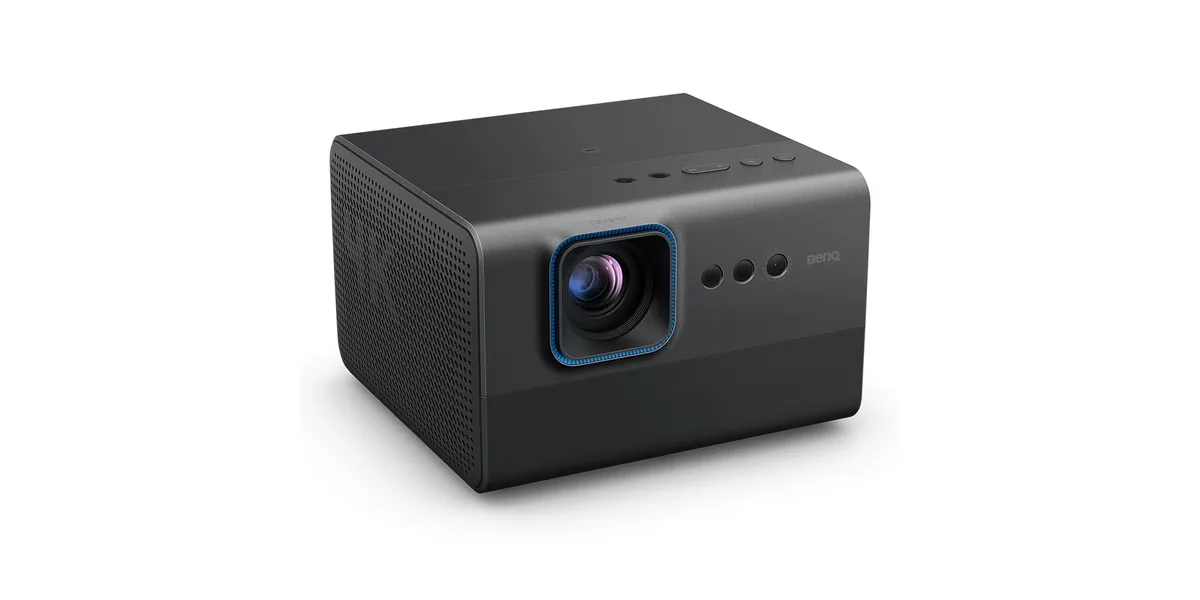
Lifestyle · DLP · 4K pixel-shift
Best for: A living room where the projector has to set itself up every time it moves