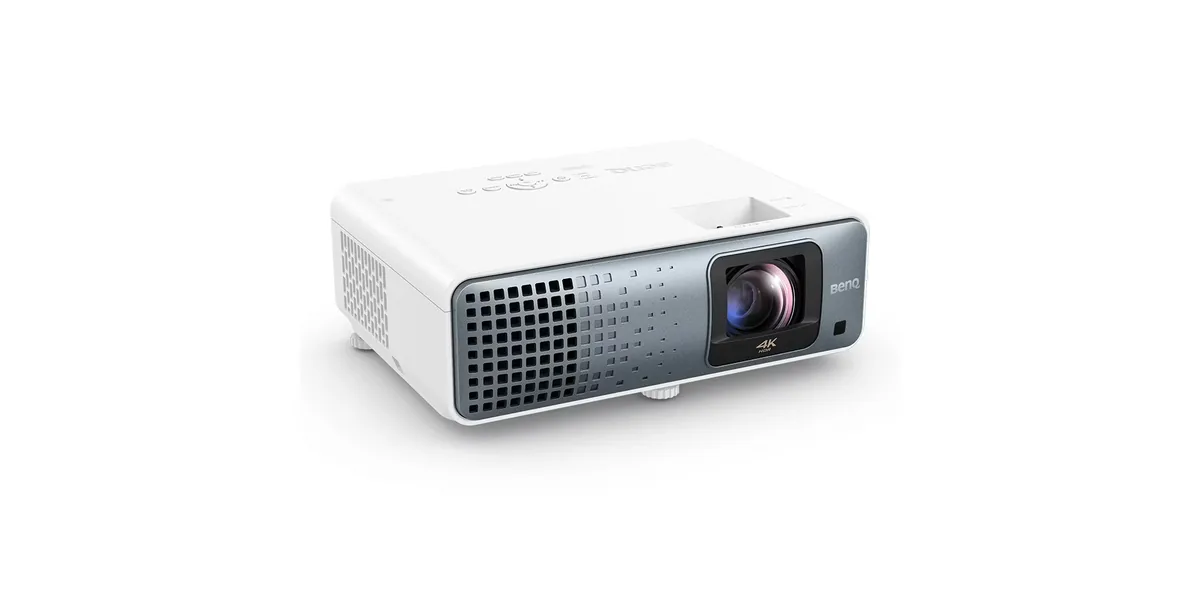
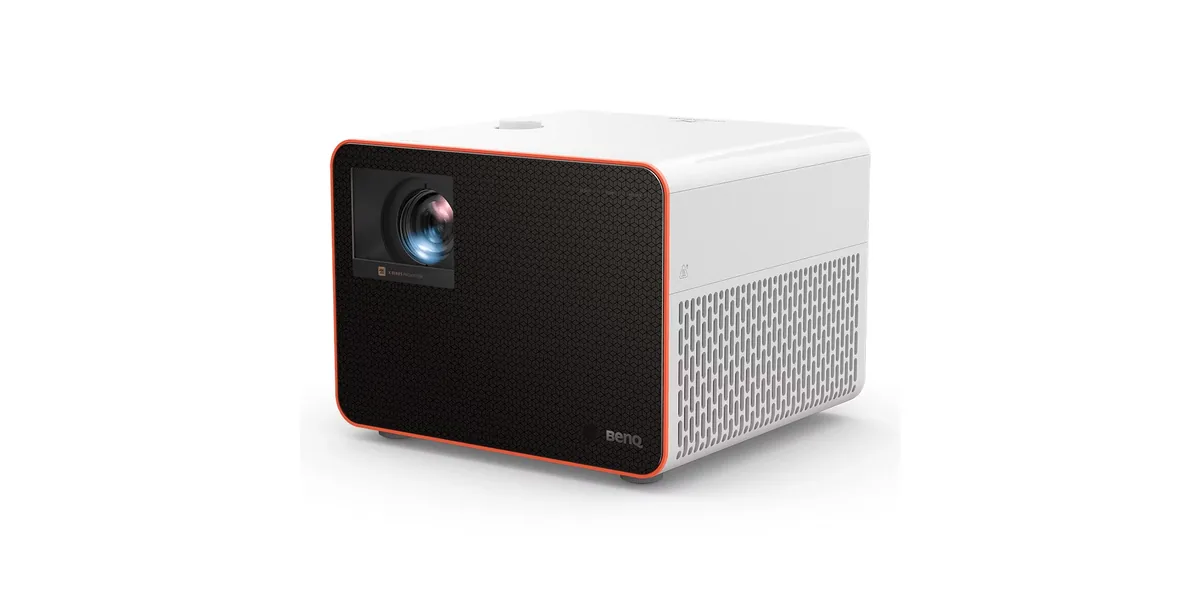
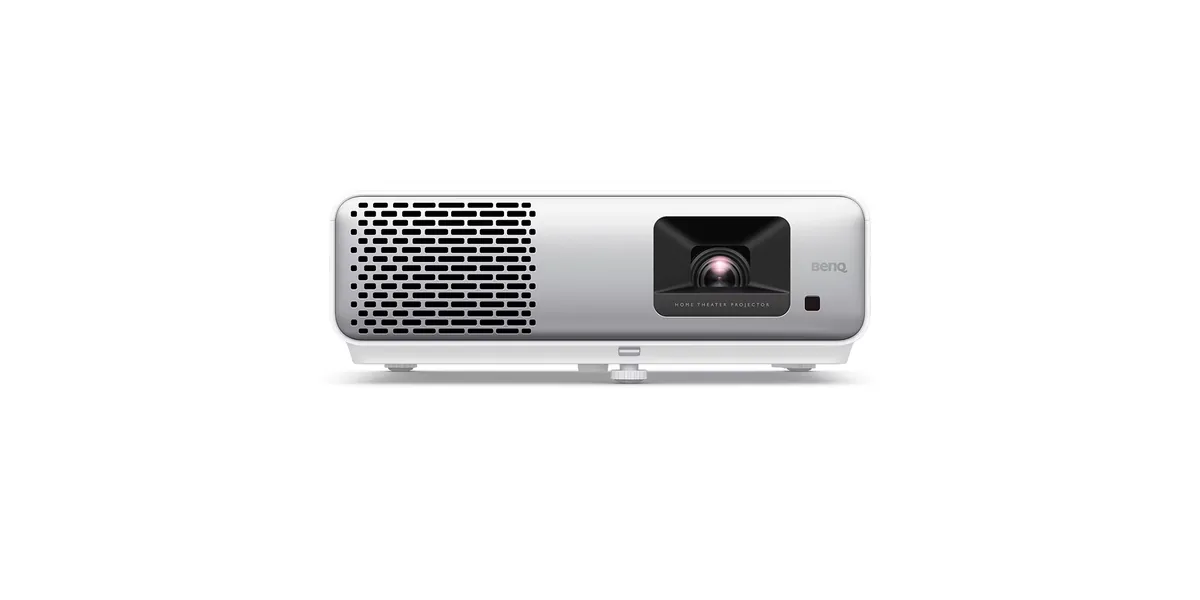
BenQ TK710STi
Gaming · DLP · 4K pixel-shift
- Brightness
- 3,200lumensANSI
- Screen at 10 ft
- 166–200 in
- Input lag
- 8 ms
- 3,200 ANSI lumens
- Short throw + laser
- 6.8 lb
Best for: A bright small room that needs short throw, laser brightness and low lag at once
Gaming~$1,999BenQ
A short-throw gaming projector that puts a 100-inch image up from about six feet, which is what makes it work in an apartment. Same 4.2 ms 1080p/240 gaming path as the X3100i in a chassis half the weight, with Google TV rather than Android TV.
Approx. price
~$1,999
snapshot, not a live price
Best for: A small room where the projector has to sit close to the screen
The two lists above are read off manufacturer specifications and published measurements, not from owner reports. Where owner discussion has been collected it appears separately below, so the two are never mistaken for each other.
This projector exists for one situation and owners describe it precisely: a room where the projector cannot get far enough back. A 120-inch image from about six feet is the number that comes up repeatedly, and owners with a soffit, a ceiling fan or a shallow room treat that as the whole reason to buy it.
The comparison owners make most often is against an ultra-short-throw laser TV, and they come down on the side of this projector on cost: a UST plus the matched ambient-light-rejecting screen it needs runs to roughly double for a similar picture. The compromise they accept is precision. There is no lens shift, only about an inch of fixed vertical offset, and owners warn plainly that you cannot move the image at all once the projector is up.
The second precision point is about lag. Owners report that the lowest input-lag figures require no digital correction in the signal path, which means squaring the projector to the screen physically rather than keystoning it into position. Owners planning a permanent install are told to run conduit and decide the mounting point before the drywall goes up.
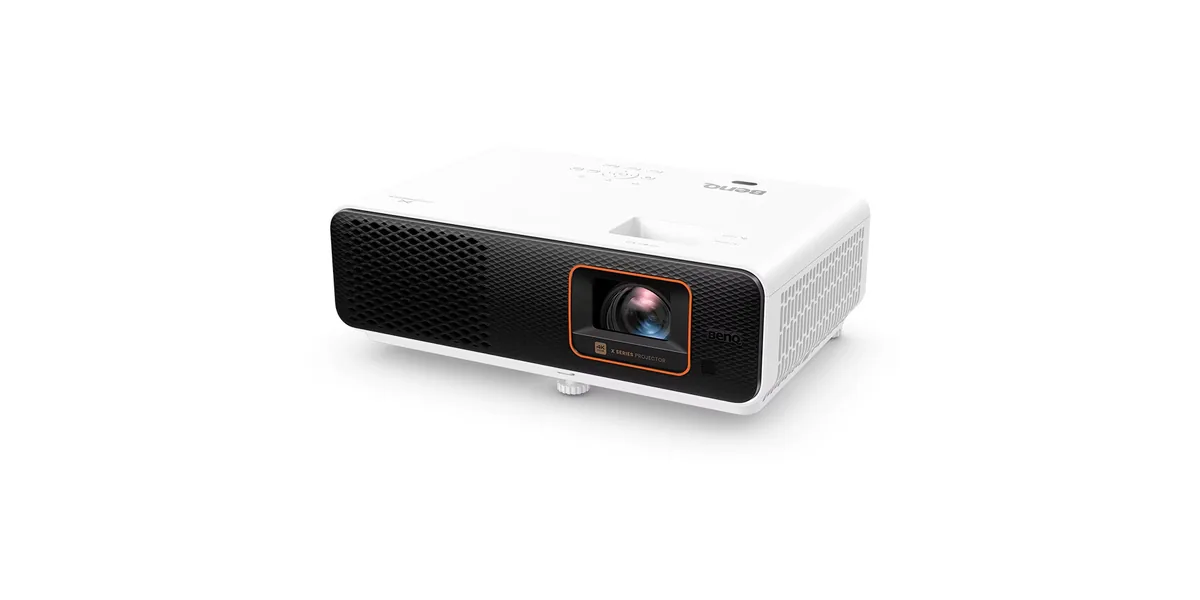
About six feet for a 120-inch image. Owners use that figure as the reason to choose it over a standard-throw projector, which would need roughly twice the distance for the same picture.
Not optically. There is no lens shift and a fixed vertical offset of about an inch, so owners advise mounting it so the lens sits just above the top of the screen and choosing a mount with height adjustment. Digital keystone can move the image, but owners warn it costs resolution and can add input lag.
Owners say considerably. A UST plus the matched ambient-light-rejecting screen it needs comes out around double the cost for a 120-inch picture of comparable quality, mainly because the screen is not optional for a UST.
2,200 ANSI lumens, the dimmest of BenQ's 4K models, and owners recommend the lights down. Note that throw distance does not affect brightness — the same lumens spread over the same screen area whether the projector is six feet away or fifteen.
Experienced owners caution that short-throw lenses are generally not as good as standard-throw ones, because the optics are harder to make well. In practice most owners report being satisfied; the trade is worth naming before you commit to a short-throw model for a room that could take a longer throw.

Gaming · DLP · 4K pixel-shift
Best for: A bright small room that needs short throw, laser brightness and low lag at once

Gaming · DLP · 4K pixel-shift
Best for: A console gaming room that also has to work as a movie room

Home theater · DLP · 1080p
Best for: A movie-first 1080p setup that should never need a lamp