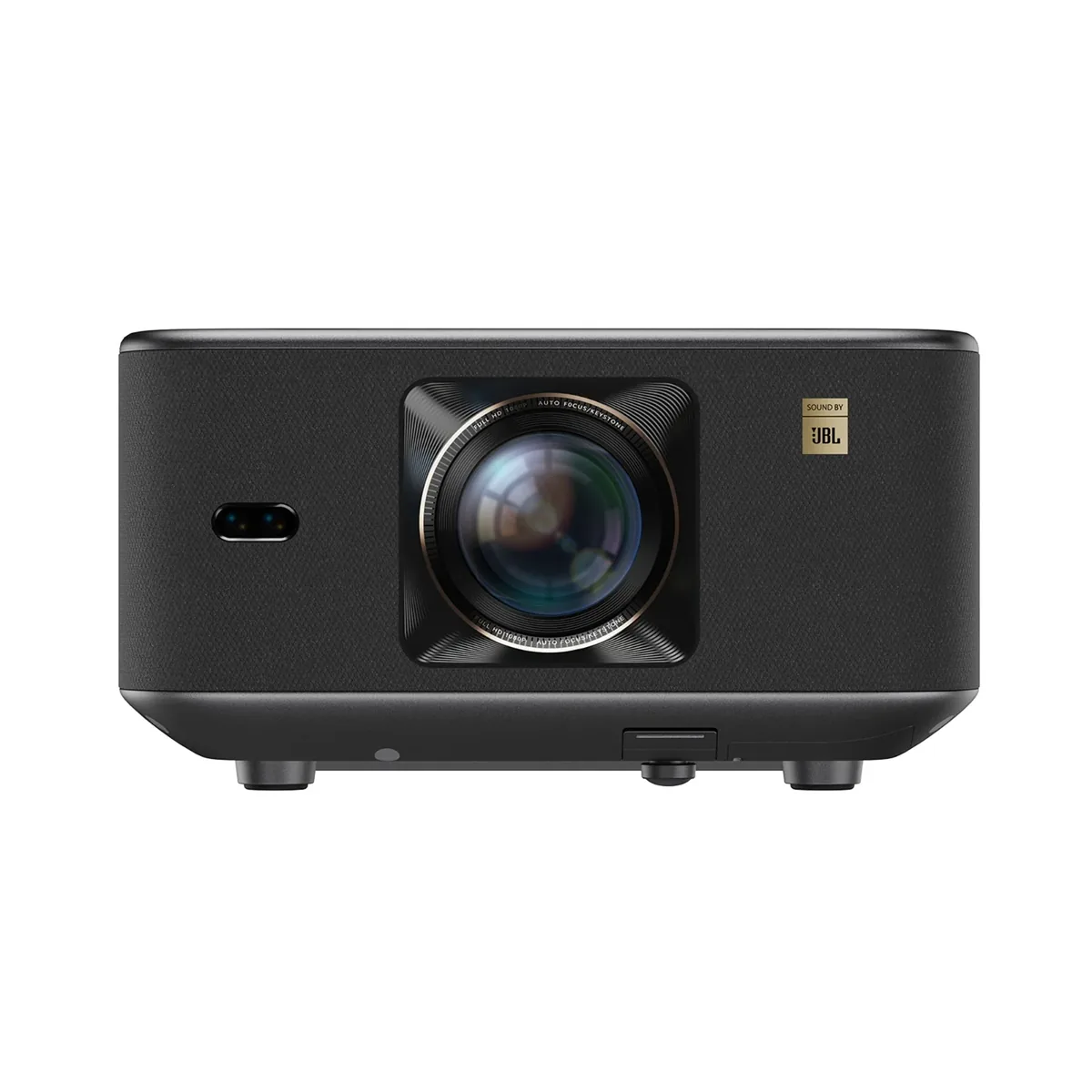
Yaber~$400
Yaber K3
Lifestyle · LCD · 1080p
- Brightness
- 990lumensISO 21118
- Screen at 10 ft
- 115 in
- 990 ISO lumens
- Box claims 1,600 ANSI
- 30 W JBL audio
Best for: A first projector on a tight budget, with realistic expectations about the picture
Short answer
Look for the words ISO 21118 or ANSI next to the lumen figure. Without one of them the number is the maker's own measurement and cannot be compared to anything. And '4K supported' means it accepts a 4K signal, not that it displays one — a projector that displays 4K says so in its native resolution line.
ANSI IT7.228 and ISO 21118 both measure light landing on the screen at nine points and average them. They sit on the same scale; ISO is the stricter of the two, because it also requires production units to deliver at least 80% of the rated figure. A number quoted to either standard can be set against another number quoted to either standard.
Everything else cannot. 'LED lumens' and 'light source lumens' measure the emitter, not the screen, before the optical system throws most of it away — by the projector industry's own accounting that is a 30 to 50 percent difference. CVIA lumens, the Chinese Video Industry Association standard, uses a nine-point average but permits a much wider colour-temperature window, so its numbers run higher than ANSI for the same hardware and are not interchangeable with it. And a figure with no standard beside it at all is not a measurement, it is a claim.
In September 2023 XGIMI, one of the largest smart-projector brands, agreed after a complaint from Epson to restate the brightness of four of its models worldwide. The Horizon and Horizon Pro went from a claimed 2,200 ANSI lumens to 1,500 ISO lumens. The Halo and Elfin went from 800 ANSI to 600 ISO. Those are 32 and 25 percent reductions on products that were already on shelves.
The lesson is not that one brand behaved badly. It is that the number on the box is a marketing decision until a standard is named beside it, and that the gap between the marketed figure and the standardized one can be a third of the total. This catalog records the standard with every brightness number for exactly that reason, and marks any projector whose box figure differs from its standardized one.
There are three honest ways to describe resolution and the cheap end of the market uses the vaguest. A native 4K projector has an imaging device with 4096x2160 or 3840x2160 real elements — in practice that means JVC's D-ILA or Sony's SXRD panels, and a four-figure price at minimum. A pixel-shift projector has a 1080p or 2716x1528 device that it shifts two or four times per frame to address 8.3 million pixel positions; that is most of the 4K market and it looks genuinely sharper than 1080p.
A projector that only says '4K supported' or '4K compatible' has neither. It has a 1080p or, at the bottom of the market, an 854x480 LCD panel, and it downscales the 4K signal to fit. That is not a lie in the legal sense and it is not the same product.
| What the spec says | What is on screen | Typical price |
|---|---|---|
| Native 4K / D-ILA / SXRD | 4096×2160 real imaging elements | $5,000+ |
| 4K UHD, XPR, pixel shift, 4K PRO-UHD | 1080p or 2716×1528 device, shifted | $1,000–$8,000 |
| 4K supported / 4K compatible / 4K input | 1080p or lower, downscaled | Under $600 |
None of this makes budget projectors useless. A $300 to $500 unit with a licensed streaming platform, decent built-in speakers and 300 to 1,000 standardized lumens is a fine bedroom or back-yard device, and several in this catalog are exactly that. The failure mode is buying one expecting it to fill a 120-inch screen in a room with a window.
Judge a budget projector on the standardized number, on whether the streaming platform is licensed (an unlicensed app store means no native Netflix, which is the single most common post-purchase complaint in this price band), and on whether its audio is good enough to skip a separate speaker. Ignore the box lumens entirely.
Lifestyle · LCD · 1080p
Best for: A first projector on a tight budget, with realistic expectations about the picture
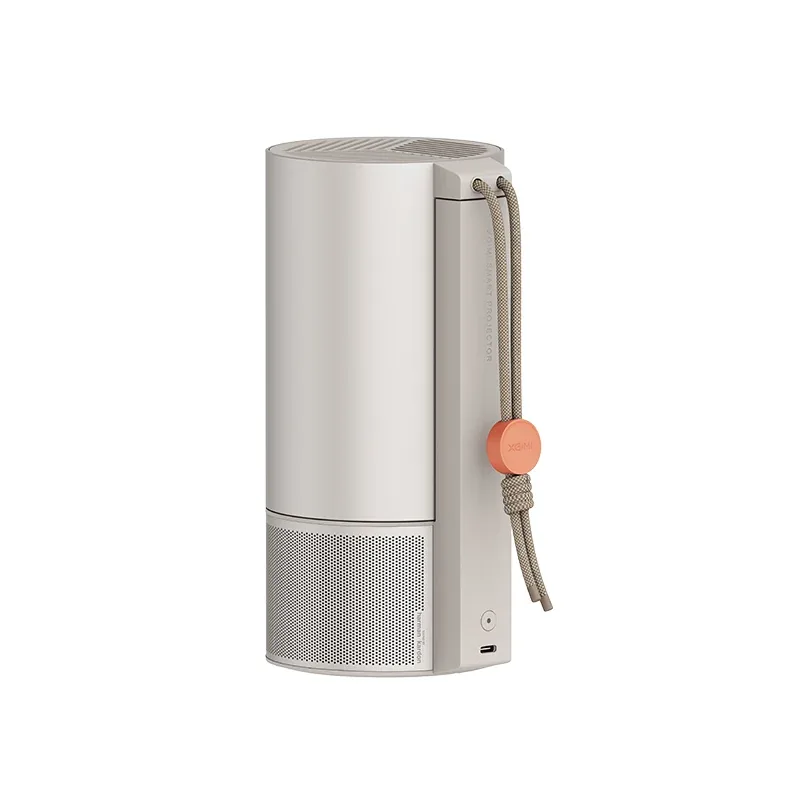
Portable · DLP · 1080p
Best for: The cheapest projector here with a licensed streaming platform built in
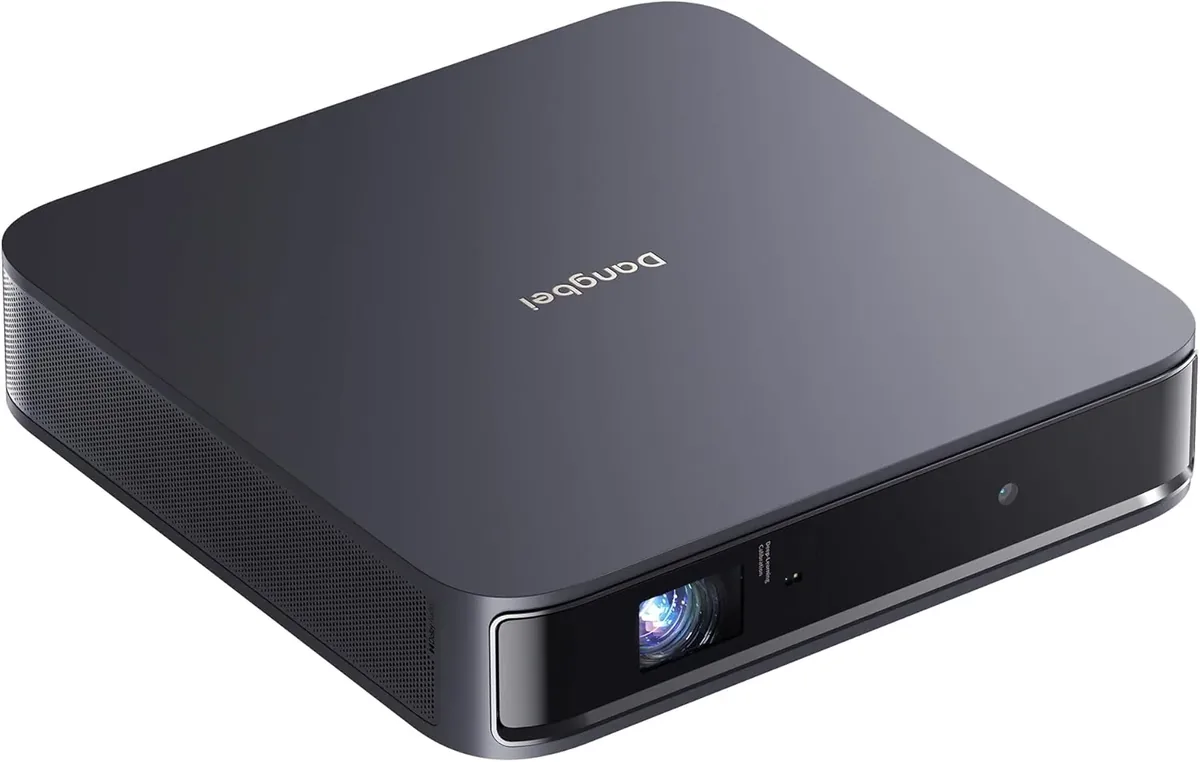
Portable · DLP · 1080p
Best for: The brightest picture that still fits in a laptop bag
Yes, on a screen over about 100 inches and from a normal seating distance — but it is the third most visible upgrade, behind contrast and brightness. A pixel-shift 4K projector with good contrast beats a native 4K projector with bad contrast every time.
If the room can be darkened for viewing, a projector gives you a bigger, more cinema-like picture for less money per inch. If it cannot, a television wins on every measure that matters and it is not close. Size is the wrong axis to compare them on.
Every specification explained, with the real numbers from the catalog.