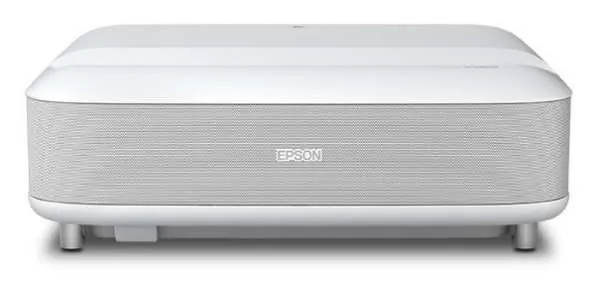
Epson~$2,499
Epson EpiqVision Ultra LS650
UST laser TV · 3LCD · 1080p
- Brightness
- 3,600lumensISO 21118
- 100-inch screen at
- 24 in
- 3,600 ISO lumens
- 1080p panels
- 16 lb cabinet
Best for: A bright den where a 100-inch picture matters more than pixel count
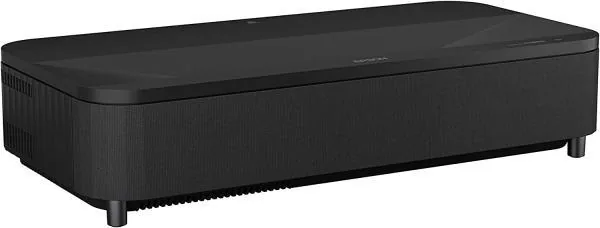 UST laser TV~$3,499
Epson
The brightest three-chip ultra-short-throw in the catalog, and the one with the shortest throw of any of them: a 0.16 throw ratio puts a 100-inch image on the wall with the cabinet almost touching it. 4,000 ISO lumens of equal white and color brightness is what makes a UST work as a daytime television.
Approx. price
~$3,499
snapshot, not a live price
Best for: A living room where the projector has to replace the TV and the room never gets dark
The two lists above are read off manufacturer specifications and published measurements, not from owner reports. Where owner discussion has been collected it appears separately below, so the two are never mistaken for each other.
Owner discussion of this projector is almost entirely a comparison with the tri-laser laser TVs at a similar price, and the split is consistent: owners in bright living rooms and owners who game choose the Epson, and owners with a room they can darken choose the tri-laser rival. Both camps agree on why. The Epson is brighter and much faster to respond; the rivals have better black levels and wider colour.
The practical points owners raise most are the throw ratio and the screen. The cabinet sits closer to the wall than almost anything else in the category, which owners treat as a real furniture advantage. The screen is the other half of the purchase and owners are blunt about it: a matched ambient-light-rejecting screen is not optional, and at 120 inches and above it is a major line item.
The complaints are about the software and the ports rather than the picture. The built-in streaming apps get routinely bypassed with an external box, and the absence of HDMI 2.1 and of a wired network jack both come up as avoidable omissions.
Owners who have seen both describe the tri-laser rivals as better for film in a controlled room — deeper blacks, wider colour — and the Epson as the better choice for a bright living room and for gaming. Owners also caution that the brightness gap feels smaller in practice than the specification difference suggests.
Owners are near-unanimous that you do if the room has light. Several report that a plain white surface works in a genuinely dark basement, but that the picture in a normal living room is transformed by the matched screen. Budget for it separately: at 120 inches and up it can approach the cost of the projector.
It is the ultra-short-throw owners recommend for gaming, at roughly 16 ms input lag against 30 to 40 ms for several rivals. The caveat is the 60 Hz ceiling — there is no HDMI 2.1 and no 4K/120 path.
Owners generally say no and use an external streaming box instead. The common workaround for the missing wired network port is a USB ethernet adapter, which owners report works.
Owners report running it at 135 to 150 inches successfully. At the top of that range they stress the matched screen matters more than the projector, and note that a 150-inch ultra-short-throw screen is a significant purchase on its own.
Very close — this has among the shortest throw ratios of any laser TV, and owners describe the back of the cabinet nearly touching the wall for a 100-inch image. It is the reason several chose it over rivals with otherwise better pictures.
UST laser TV · 3LCD · 1080p
Best for: A bright den where a 100-inch picture matters more than pixel count
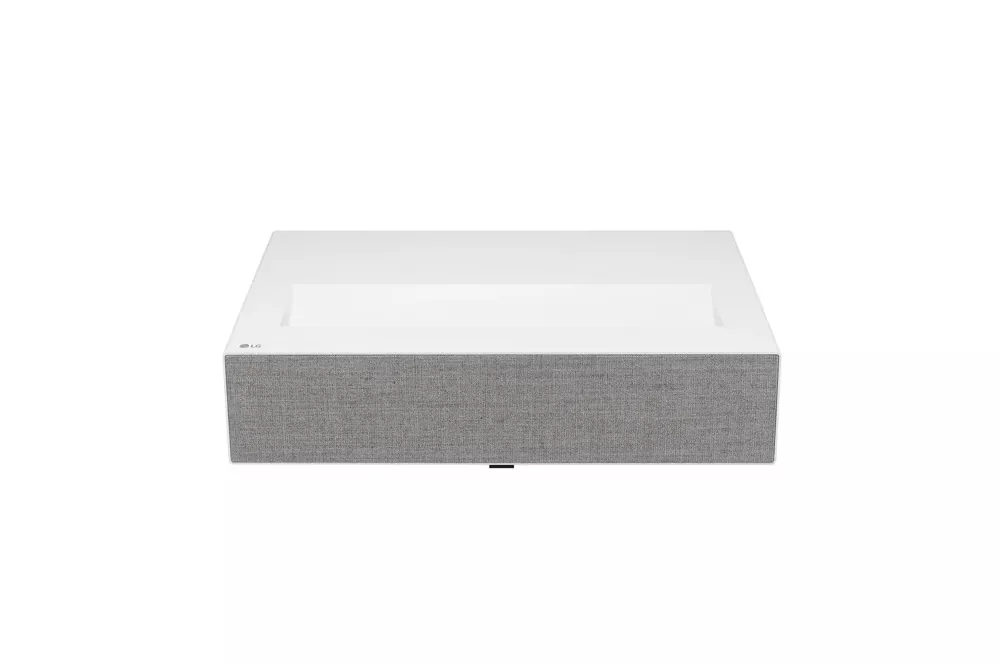
UST laser TV · DLP · 4K pixel-shift
Best for: An LG household that wants webOS on the wall
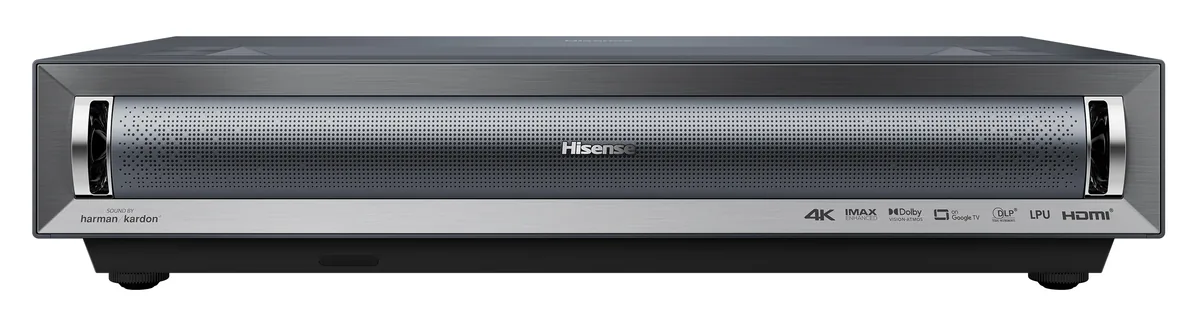
UST laser TV · DLP · 4K pixel-shift
Best for: Replacing a television in a bright living room without giving up color