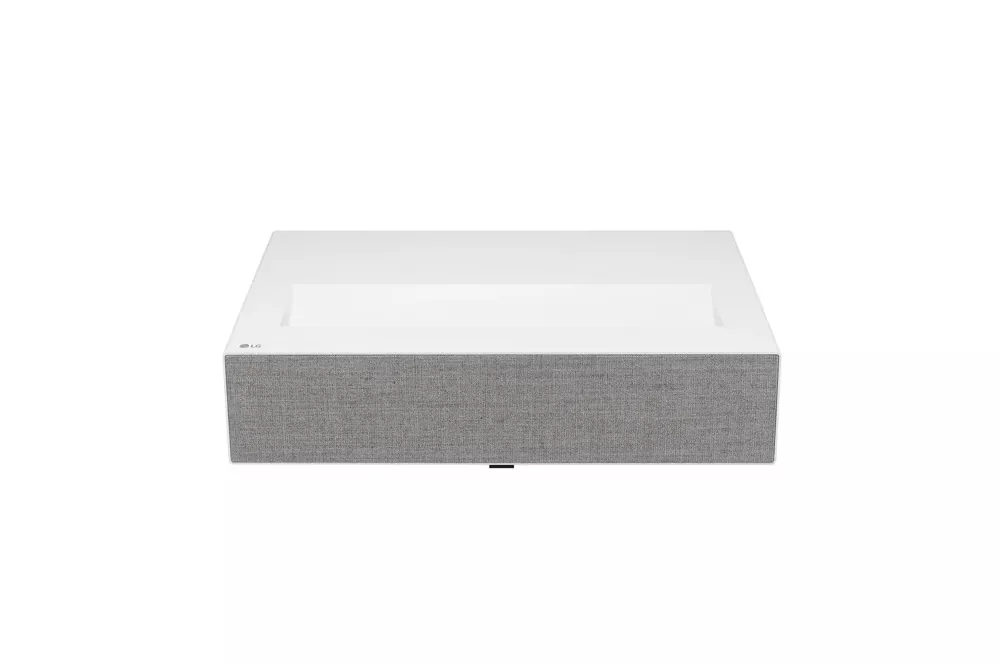
LG~$2,999
LG CineBeam HU715QW
UST laser TV · DLP · 4K pixel-shift
- Brightness
- 2,500lumensANSI
- 100-inch screen at
- 19 in
- Input lag
- 54 ms
- 2,500 ANSI lumens
- webOS built in
- 40 W audio
Best for: An LG household that wants webOS on the wall
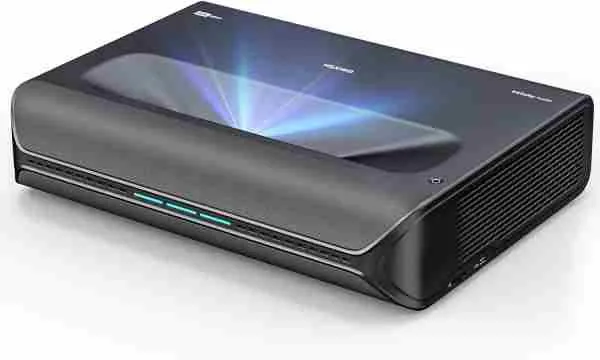 UST laser TV~$2,999
NexiGo
A tri-laser UST with an unusually serious audio system — two 15 W woofers and two 15 W tweeters — and Dolby Vision. The catch is the software: NexiGo ships the Aptoide app store rather than a licensed Google or Samsung platform, so Netflix needs an external stick.
Approx. price
~$2,999
snapshot, not a live price
Best for: A tri-laser picture with real built-in sound, where a streaming stick is acceptable
The two lists above are read off manufacturer specifications and published measurements, not from owner reports. Where owner discussion has been collected it appears separately below, so the two are never mistaken for each other.
This is the ultra-short-throw that owners recommend when the room can be darkened. The recurring assessment is blunt: it gives up brightness to the best-known rivals and wins on black level and overall picture quality in a controlled room, and owners who care most about film choose it on exactly those grounds.
The contrast figure is what makes owners take it seriously. Most single-chip DLP projectors measure under 1,000:1 full-on/full-off and most reviews simply do not publish the number; this one is quoted at 3,000:1, which owners repeatedly cite as the reason it looks different from the rest of the field. Tri-laser colour and Dolby Vision at this price is the other half of the argument.
The cautions are about brightness and about the company. Owners in bright rooms are pointed at the brighter competition instead. And owners note it came out of a crowdfunding campaign from a smaller brand, which makes long-term support a real question against the established names — a trade several accept for the picture and the price.
Owners describe the trade precisely: the brightest rivals win decisively in a lit room and for gaming, and this wins in a dark room on black level and overall picture quality. Owners who want both are told the answer costs considerably more.
For a single-chip DLP projector, owners say yes and note that most of the field measures under 1,000:1 full-on/full-off and that most reviews avoid publishing the number at all. It is still far behind the LCoS home-theater projectors, which measure in the tens of thousands.
Owners say yes for any room with light. The ultra-short-throw geometry means a lenticular ceiling-light-rejecting screen does most of the work of making the picture look like a television. Owners describe screen choice as at least as important as projector choice in this category.
It is not a licensed television platform, so several major streaming apps do not run natively. Owners plug in an external streaming box, which is the standard workaround and adds to the real cost.
Owners report it is unusually capable for a projector — four drivers with Dolby Atmos decoding — and several did not add anything. Owners running a full surround setup point out the projector's audio is irrelevant in that case, because the receiver handles sound and the projector only takes video.
UST laser TV · DLP · 4K pixel-shift
Best for: An LG household that wants webOS on the wall
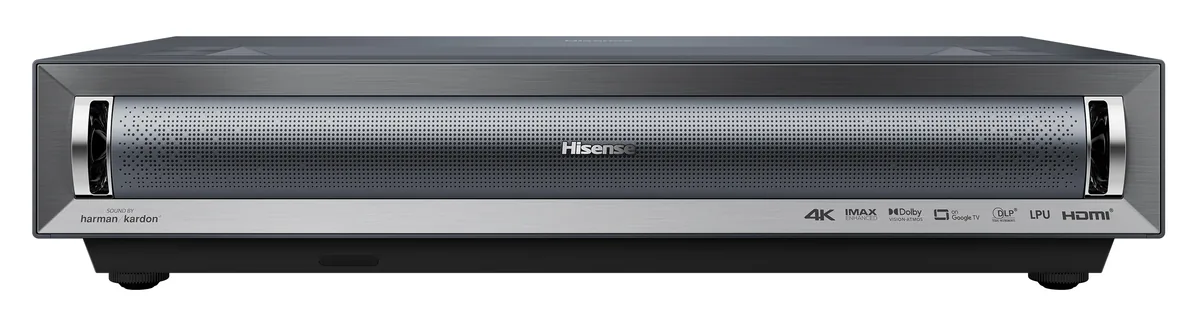
UST laser TV · DLP · 4K pixel-shift
Best for: Replacing a television in a bright living room without giving up color
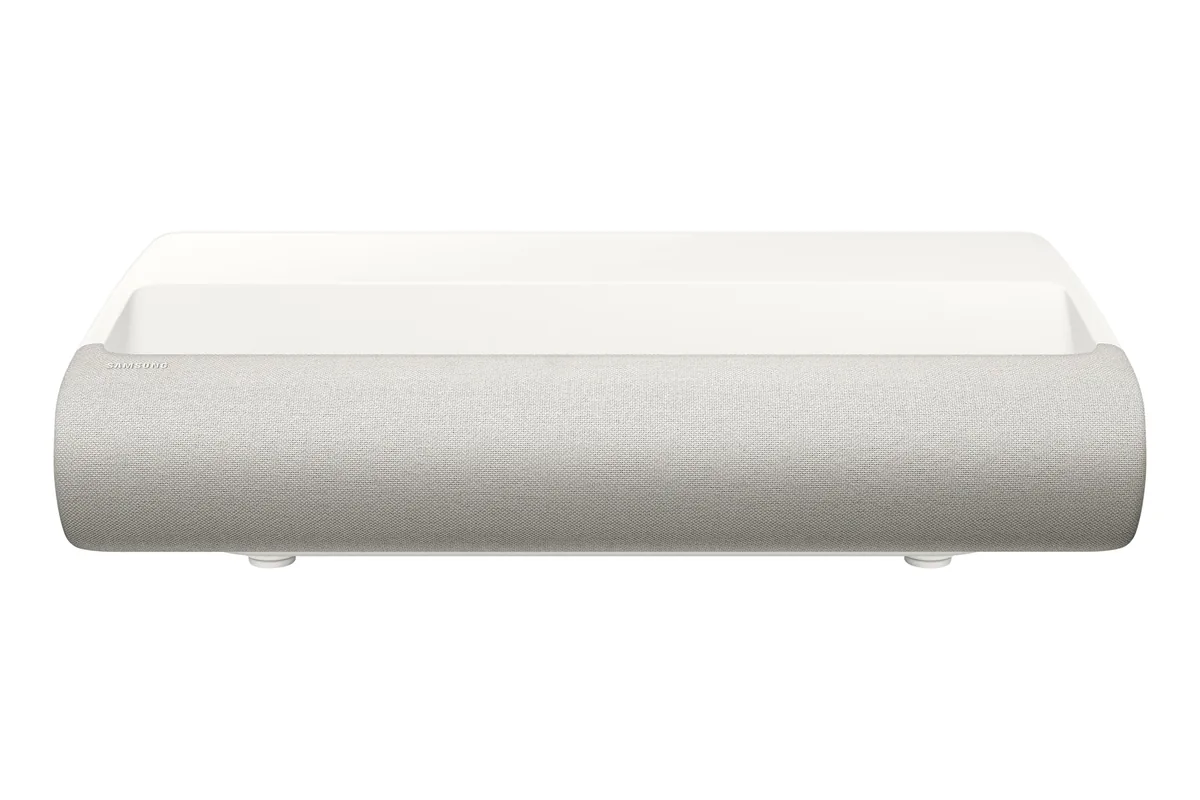
UST laser TV · DLP · 4K pixel-shift
Best for: A Samsung-ecosystem laser TV at half the flagship price