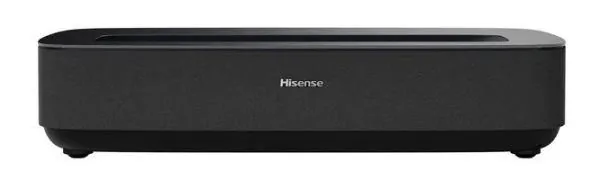
Hisense~$2,499
Hisense PL2
UST laser TV · DLP · 4K pixel-shift
- Brightness
- 2,700lumensANSI
- 100-inch screen at
- 19 in
- 2,700 ANSI lumens
- Dolby Vision
- $2,499
Best for: A laser TV budget that stops short of tri-laser
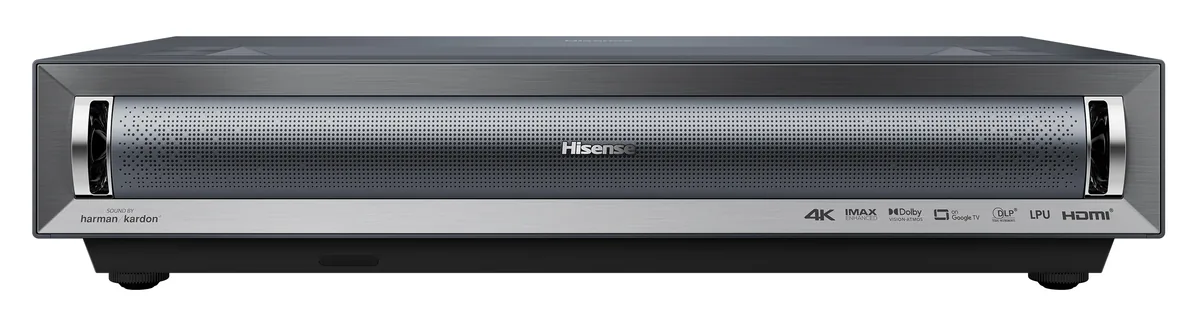 UST laser TV~$2,998
Hisense
The tri-laser ultra-short-throw that most people end up comparing everything else to: 3,000 ANSI lumens, 110% of BT.2020, Dolby Vision, Google TV and a 50 W Harman Kardon system with Dolby Atmos. It is designed to be the only box under the screen.
Approx. price
~$2,998
snapshot, not a live price
Best for: Replacing a television in a bright living room without giving up color
The two lists above are read off manufacturer specifications and published measurements, not from owner reports. Where owner discussion has been collected it appears separately below, so the two are never mistaken for each other.
Owner discussion positions this as the safe recommendation in the tri-laser ultra-short-throw category — the one dealers name when someone wants a laser TV and does not want to think too hard. The specific upgrades owners cite over the previous generation are active 3D, support for screens up to 150 inches, more brightness and a better audio system.
The comparison owners make constantly is against the cheaper tri-laser rival that has held the value crown in this category for years. Several owners who did that comparison chose the cheaper projector and reported no regrets; several others chose this one on the strength of Hisense's warranty and service network, which in some markets runs to five years with shipping covered.
The practical caveats are the same as for every laser TV: a matched ambient-light-rejecting screen is not optional and is a major separate purchase, and the roughly 30 ms input lag makes this a film projector that will do casual gaming rather than the reverse.
Owners who compared them directly describe the picture as close, with this one brighter and better equipped and the cheaper rival better value. The tiebreaker owners cite most often is not picture but warranty and service: Hisense's coverage in several markets runs longer and does not charge the owner for return shipping.
Yes, active 3D, which is one of the specific upgrades over the model it replaced. Owners note this is now a rare feature and that it is the deciding factor for anyone with a 3D disc library.
Owners say yes, without qualification. An ultra-short-throw fires upward at an extreme angle, and a lenticular ceiling-light-rejecting screen is what makes the picture look like a television rather than a washed-out projection. Budget for it as a separate four-figure item at 120 inches and up.
Up to 150 inches, which is an increase over the previous generation. Owners at that size stress that the matched screen matters at least as much as the projector's brightness.
Casually. Owners report input lag around 30 ms at 4K, which is acceptable for single-player games and marginal for competitive shooters. Owners who game seriously on an ultra-short-throw look at the models measuring in the mid-teens instead.
UST laser TV · DLP · 4K pixel-shift
Best for: A laser TV budget that stops short of tri-laser
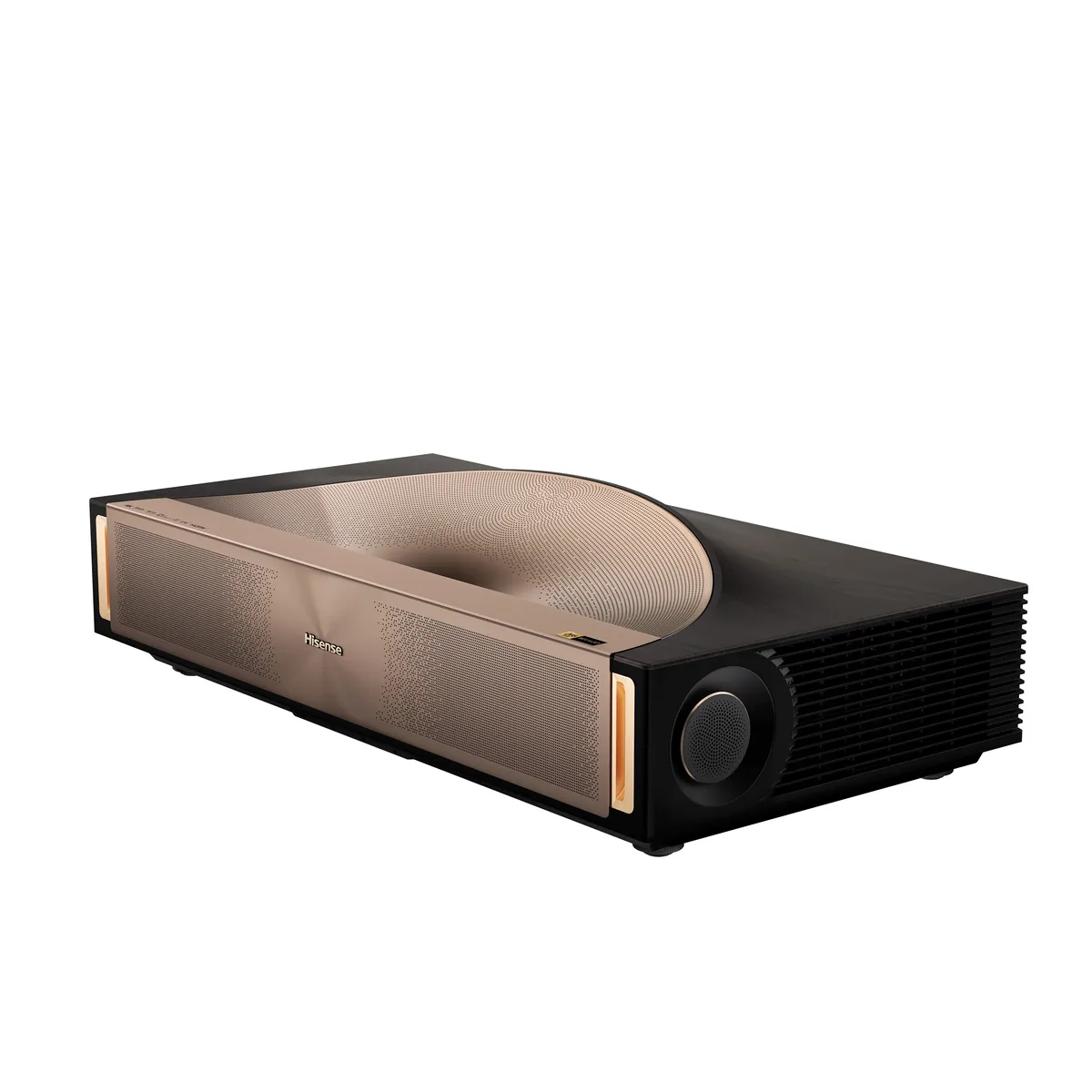
UST laser TV · DLP · 4K pixel-shift
Best for: A living room with big windows that has to work at noon
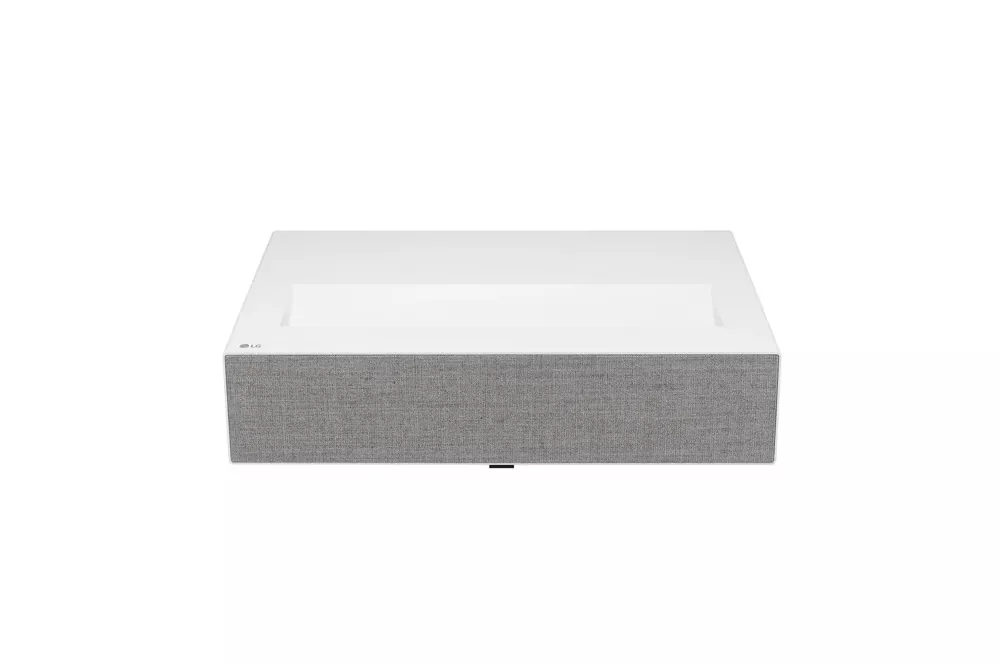
UST laser TV · DLP · 4K pixel-shift
Best for: An LG household that wants webOS on the wall