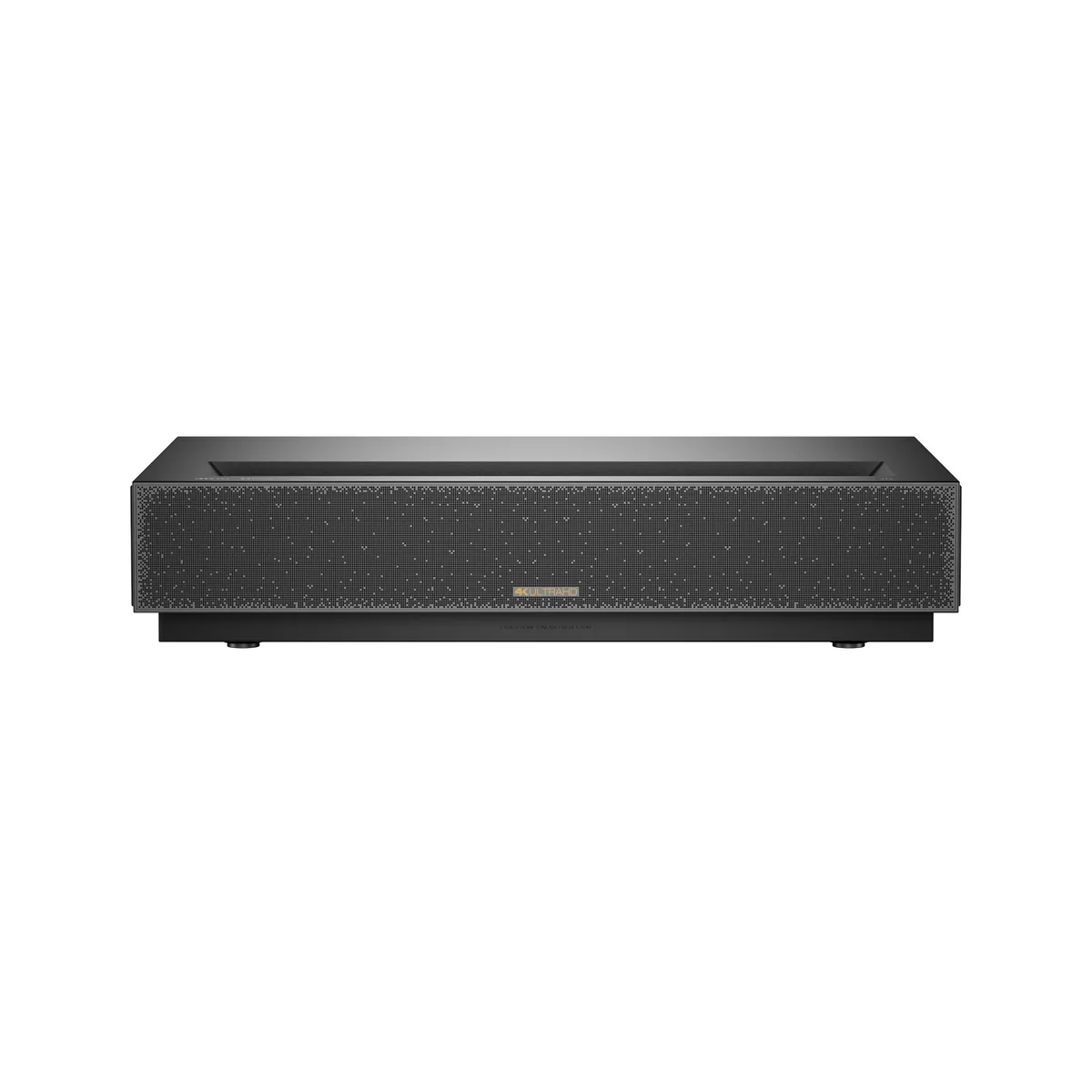
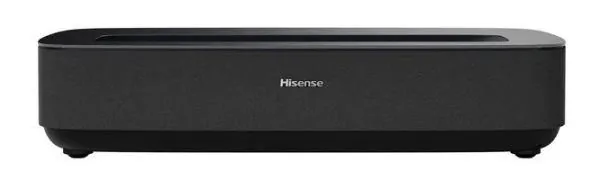
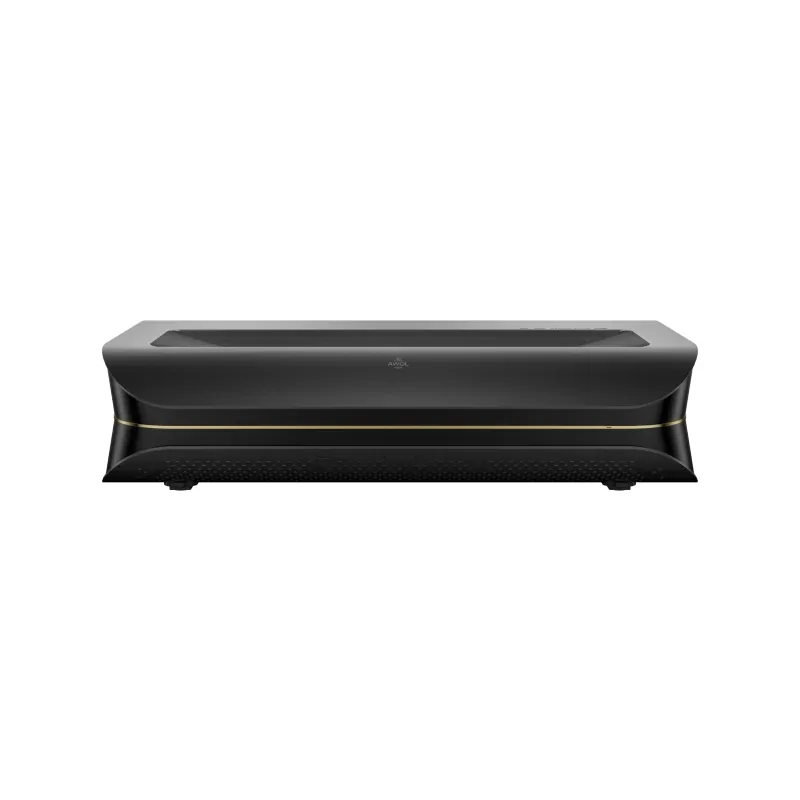
Formovie Cinema Edge
UST laser TV · DLP · 4K pixel-shift
- Brightness
- 1,900lumensISO 21118
- 100-inch screen at
- 20 in
- 1,900 ISO lumens
- Cheapest tri-laser UST
- 15.4 lb
Best for: A first laser TV on the smallest budget that still buys tri-laser color
UST laser TV~$2,399Formovie
A tri-laser UST tuned for a dark room rather than a bright one: 2,200 ISO lumens, Dolby Vision, and a Bowers & Wilkins audio system. It is the laser TV that film-first buyers tend to shortlist, at the cost of daytime punch.
Approx. price
~$2,399
snapshot, not a live price
Best for: A film-first laser TV in a room that can be dimmed
The two lists above are read off manufacturer specifications and published measurements, not from owner reports. Where owner discussion has been collected it appears separately below, so the two are never mistaken for each other.
This projector appears in owner discussion mostly as a candidate rather than a possession, which is itself the story: it went on sale with very little independent testing behind it, and owners repeatedly ask why nobody has reviewed it. The brand's previous model is the reason they are interested — it is widely described as having set the price-to-picture benchmark for tri-laser ultra-short-throws.
When owners shortlist for a dark room, this lands in the top three every time alongside the other two tri-laser models at the price. What they cite is contrast and a cinematic image rather than brightness, and several who are sensitive to the rainbow artifact note the tri-laser engine has no colour wheel to produce it.
Two practical points come up before purchase. Input lag is disputed — the maker quotes 18 to 20 ms at 4K/60 while some owners report an automatic low-latency handshake problem leaving it nearer 35 ms. And warranty terms differ sharply by market: owners in several countries face two years with owner-paid return shipping here against five years with shipping covered from the largest rival, which has decided the purchase for more than one of them.
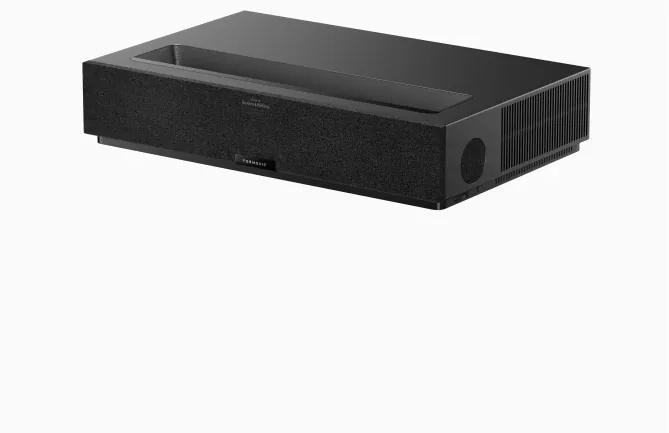
Owners shortlist the same three models and describe the picture as close. This one is positioned on contrast and a cinematic image rather than brightness; the largest rival is brighter and better supported; the third is the dark-room specialist. Owners in bright rooms go elsewhere.
Disputed. The manufacturer quotes 18 to 20 ms at 4K/60 and some measurements agree; other owners report an automatic low-latency mode handshake problem that leaves it nearer 35 ms. Owners who game should treat the lower number as unconfirmed until they have tested their own signal chain.
Owners noticed the same thing and raised it directly: the model was on sale for months with almost no independent testing. Coverage has since appeared from European outlets. Owners treat the thin review record as the main reason to hesitate rather than as evidence of a problem.
Carefully. This is quoted in ISO lumens and its closest rival in ANSI lumens, and owners doing the comparison apply a rough conversion because ANSI figures run higher than ISO for the same hardware. Comparing the two numbers directly overstates the rival's advantage.
It varies by market and owners treat it as a real differentiator. In several countries the coverage here is two years with return shipping at the owner's expense, against five years with shipping covered from the largest rival — a difference that has decided the purchase for owners who otherwise preferred this picture.

UST laser TV · DLP · 4K pixel-shift
Best for: A first laser TV on the smallest budget that still buys tri-laser color

UST laser TV · DLP · 4K pixel-shift
Best for: A laser TV budget that stops short of tri-laser

UST laser TV · DLP · 4K pixel-shift
Best for: A laser TV that has to serve a console as well as a streaming stack