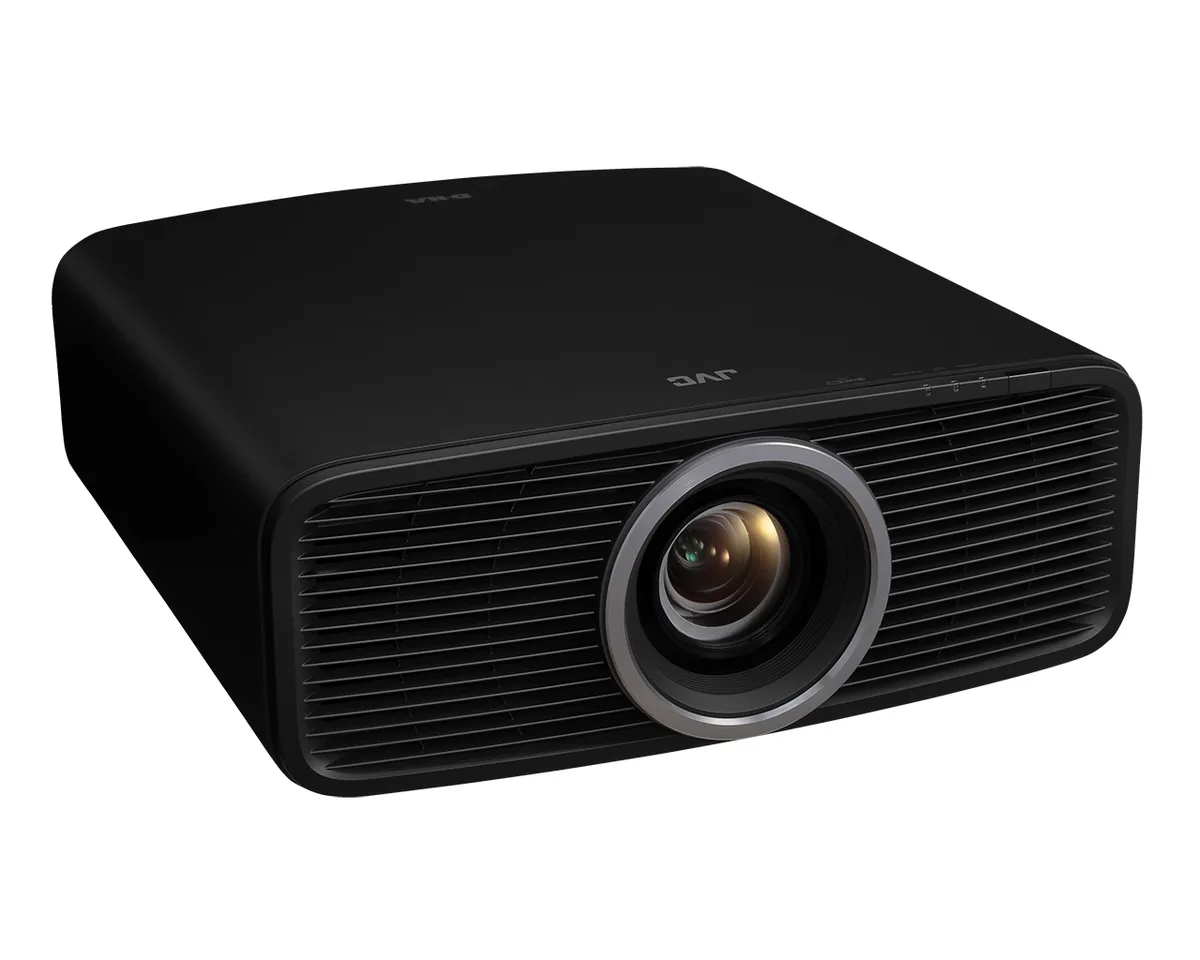
JVC~$8,999
JVC DLA-NZ700
Home theater · D-ILA · Native 4K
- Brightness
- 2,300lumensANSI
- Screen at 10 ft
- 68–109 in
- 2,300 ANSI lumens
- 80,000:1 native contrast
- Lens memory
Best for: A serious dark-room theater with a scope screen
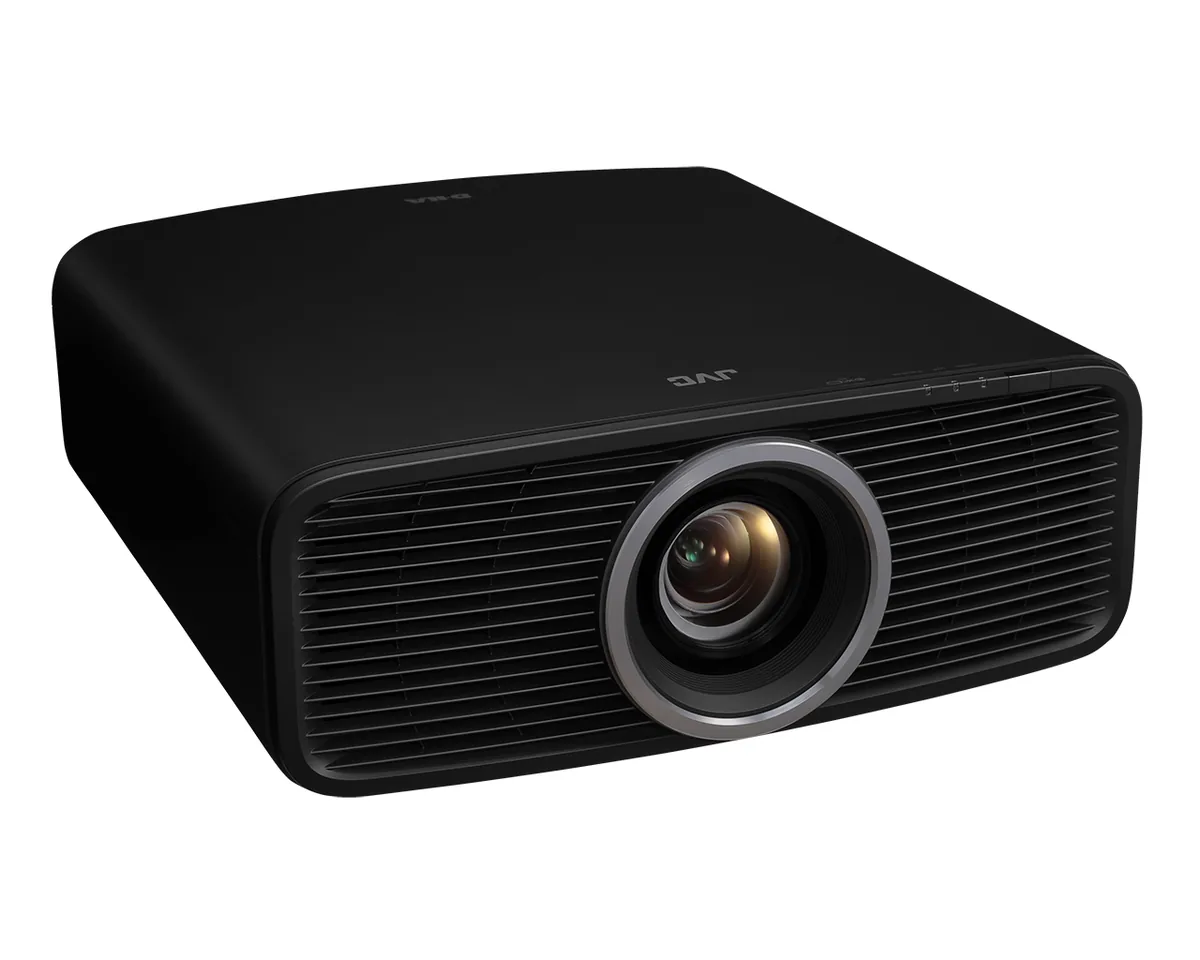 Home theater~$5,999
JVC
The cheapest way into a genuinely native 4K imaging device. Three 0.69-inch D-ILA panels resolve 4096x2160 with no pixel shifting at all, and 40,000:1 native contrast is an order of magnitude beyond what single-chip DLP measures. Brightness is the trade: 2,000 ANSI lumens wants a dark room.
Approx. price
~$5,999
snapshot, not a live price
Best for: A light-controlled theater where black level decides the picture
The two lists above are read off manufacturer specifications and published measurements, not from owner reports. Where owner discussion has been collected it appears separately below, so the two are never mistaken for each other.
This is the projector owners consider when they want native 4K D-ILA and do not want to spend flagship money, and the conversation around it is unusually practical. Owners compare it against the lamp-based D-ILA model below it, and the trade they describe is clear: a laser rated 20,000 hours at full brightness against a lamp that costs several hundred dollars every couple of years — offset by the worry that a laser failure is a far larger repair bill than a bulb swap.
The feature owners actually use is lens memory. Several describe running two screens of different sizes in the same room — a fixed screen and a drop-down — and switching framing from the remote, which is a genuinely different way to use a room and something no fixed-lens projector can do.
The complaints are about connectivity rather than picture. The 60 Hz ceiling draws repeated comment at this price, particularly from owners who note the 3LCD competition accepts 4K/120 for less money. And there is no HDMI eARC, which owners planning to send audio out of the projector to speakers find out about too late.
Owners ask the same question. It is a real limitation and the main reason people cross-shop the 3LCD laser competition, which costs less and accepts 4K/120. Owners whose use is mostly films and sport decide it does not matter; owners gaming 30 to 40% of the time think hard about it.
No. Owners planning to route audio out of the projector to a sound system report discovering this after purchase. The workaround is to keep audio in the source chain — a receiver or a streaming device feeding both the projector and the speakers.
Owners frame it as running cost against repair risk. A lamp is a few hundred dollars every couple of years and is a known quantity; the laser runs 20,000 hours with no consumable but a failure out of warranty is a much bigger bill. Owners split roughly evenly.
Store framing positions and recall them from the remote. Owners use it to run two screens of different sizes in one room, or to switch between 16:9 and 2.35:1 framing on a scope screen without an anamorphic lens.
Owners weighing a discounted previous-generation model against this one report the newer devices are better on contrast, while the older model they were considering offered a higher refresh rate. The honest summary from those threads is that the choice depends on whether contrast or refresh rate matters more to you.
Home theater · D-ILA · Native 4K
Best for: A serious dark-room theater with a scope screen
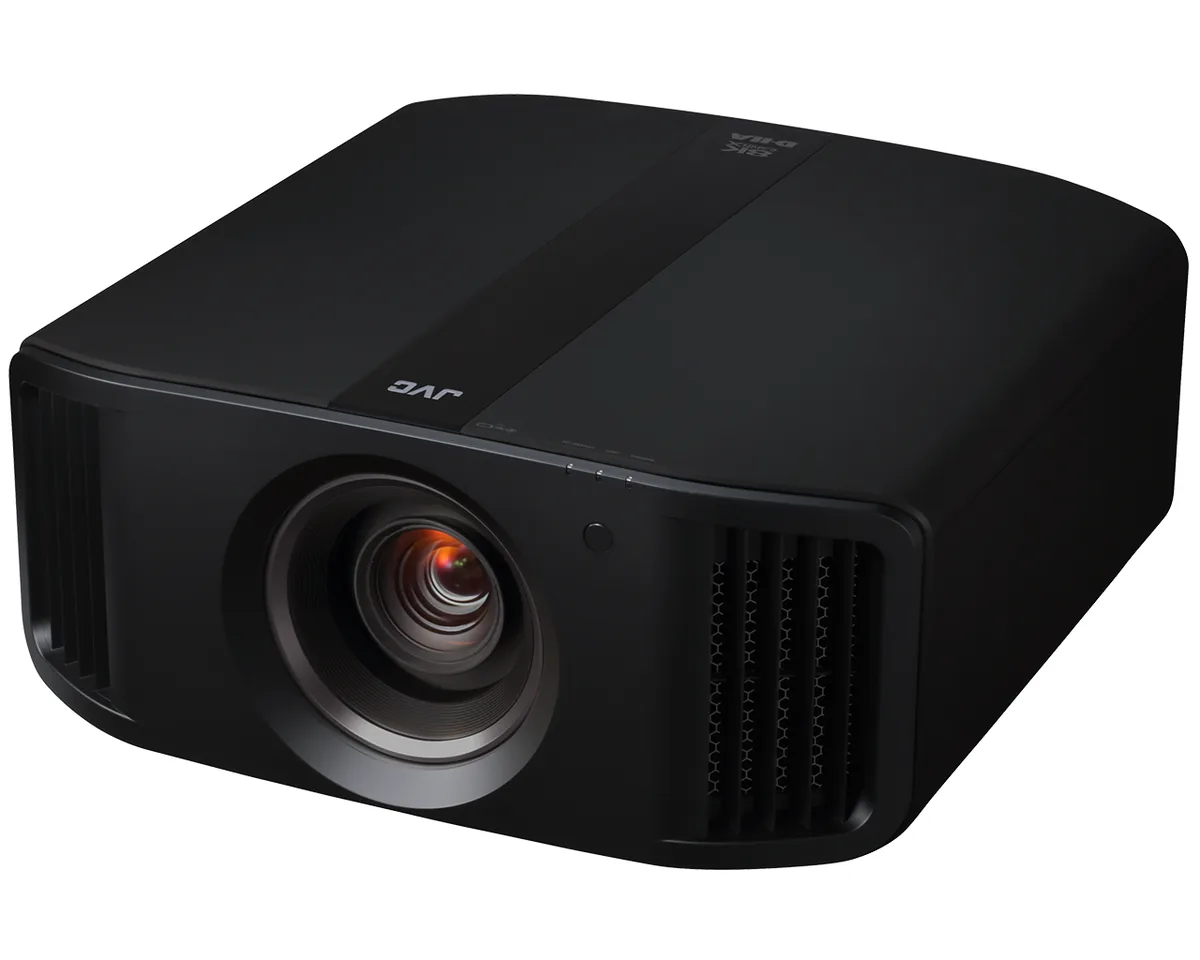
Home theater · D-ILA · Native 4K
Best for: A purpose-built theater where contrast is the entire brief
Home theater · SXRD · Native 4K
Best for: A dark room where picture processing matters more than peak brightness