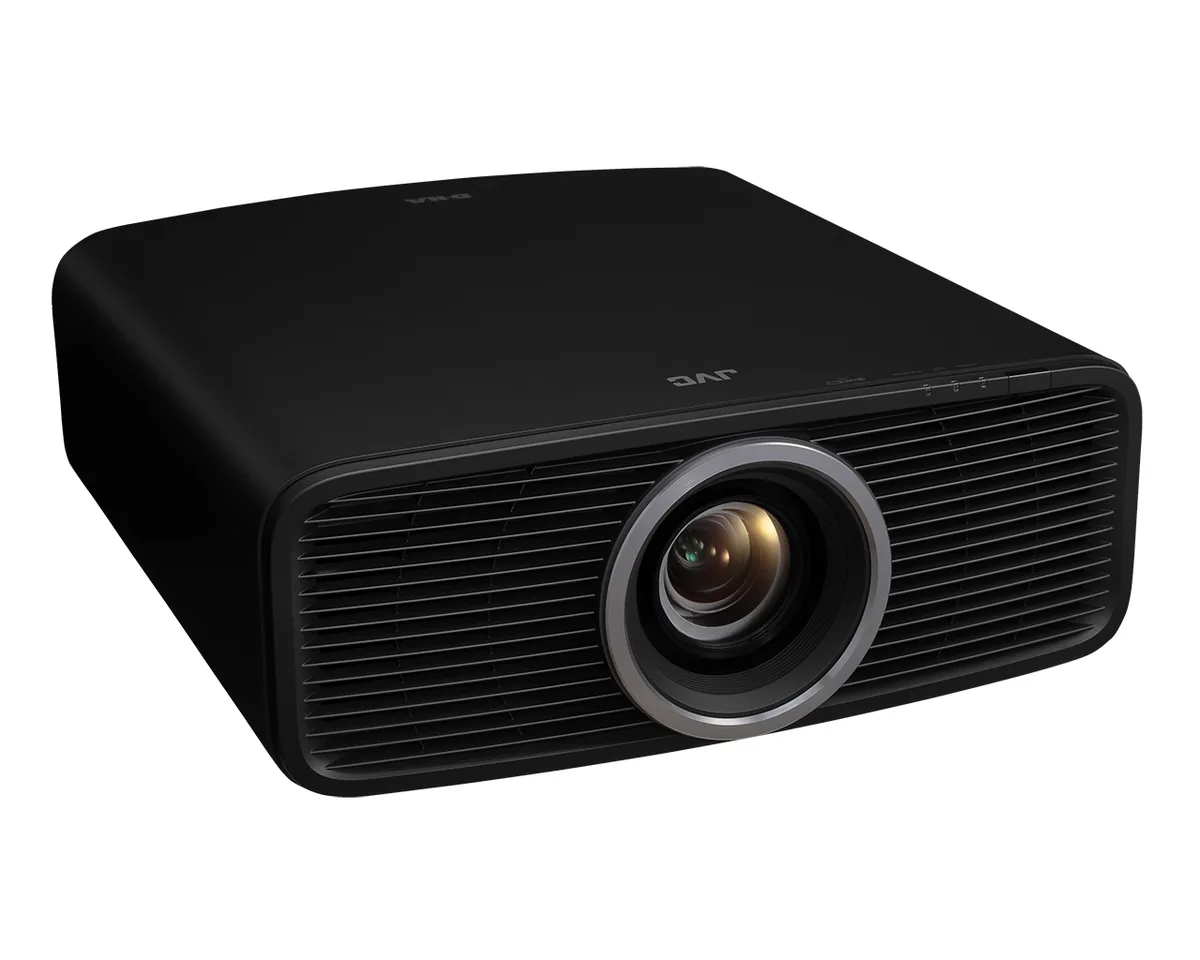
JVC~$8,999
JVC DLA-NZ700
Home theater · D-ILA · Native 4K
- Brightness
- 2,300lumensANSI
- Screen at 10 ft
- 68–109 in
- 2,300 ANSI lumens
- 80,000:1 native contrast
- Lens memory
Best for: A serious dark-room theater with a scope screen
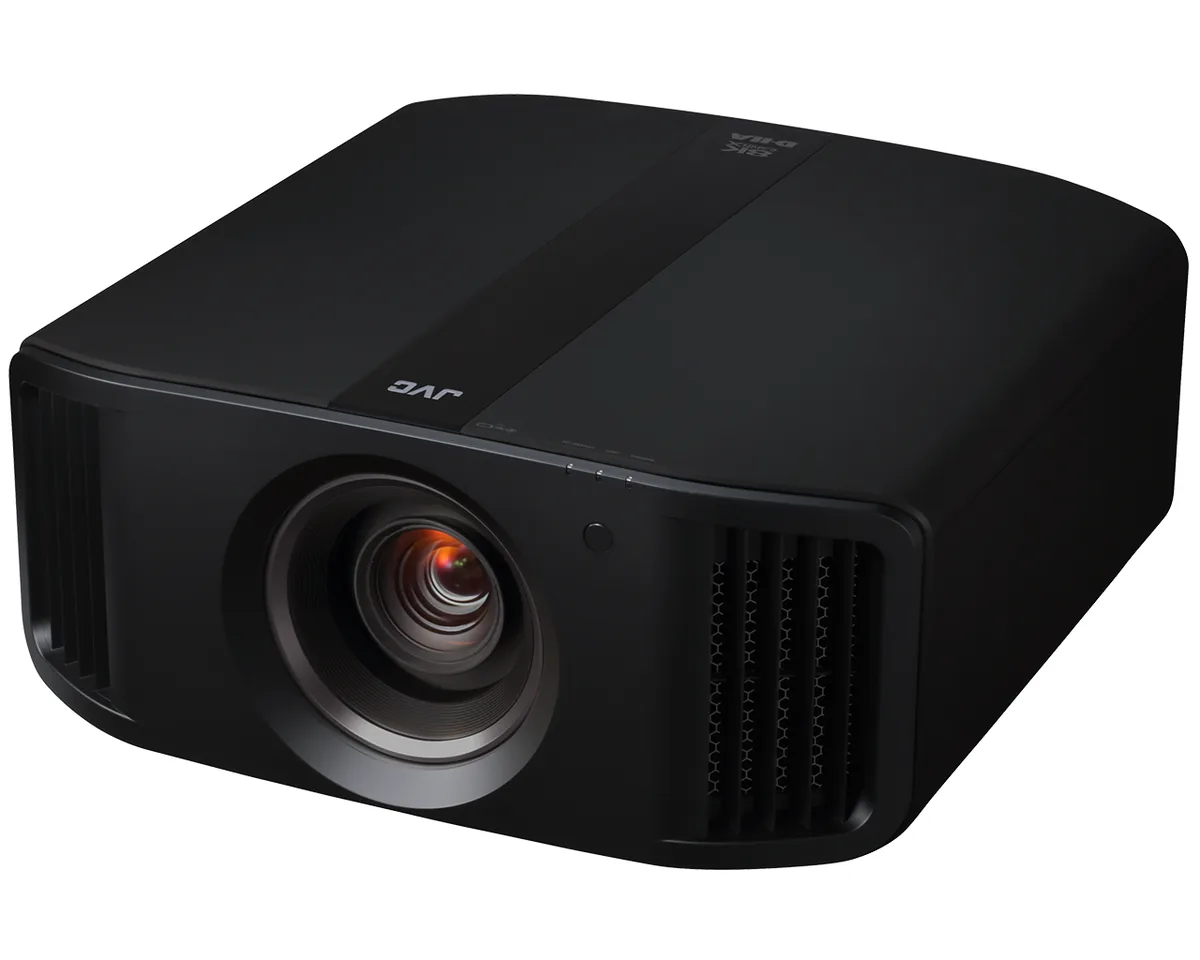 Home theater~$16,999
JVC
Third-generation native 4K D-ILA with 8K e-shiftX on top: the panels are 4096x2160 and the shift takes the addressed resolution beyond that. 100,000:1 native contrast and a 2x motorized zoom put it at the point where a projector stops being a purchase and becomes an installation.
Approx. price
~$16,999
snapshot, not a live price
Best for: A purpose-built theater where contrast is the entire brief
The two lists above are read off manufacturer specifications and published measurements, not from owner reports. Where owner discussion has been collected it appears separately below, so the two are never mistaken for each other.
The most useful account of this projector comes from an owner who upgraded from JVC's previous generation and went through the differences in detail. The improvement he ranked first was not contrast or brightness but sharpness, which he credited to new sharpening algorithms in the processing rather than to anything about the panel.
The panel changes are real but subtler than the marketing suggests. A flatter third-generation D-ILA device reduces the bright-corner artifact owners saw on earlier models, which lifts perceived black level across the frame. And the brightness increase has a second-order benefit owners exploit deliberately: going from 2,200 to 2,700 lumens lets you close the iris a couple of clicks while keeping the same on-screen brightness, which raises measured contrast and lowers the black floor.
The warning owners give each other is about variance. Contrast on these projectors differs unit to unit, and an unlucky example of the new generation can measure worse than an exceptional example of the old one. Owners treat published averages as averages rather than guarantees.
An owner who made the upgrade ranked them: sharpness first, from new processing algorithms; then reduced bright corners from a flatter D-ILA panel; then better thermal management allowing more brightness with less fan noise; then improved dynamic tone mapping. Black level improved as a combination of those rather than as one change.
Owners point out contrast varies sample to sample, so a good example of the older model can beat a poor example of this one. The reliable advantages here are brightness, thermal behaviour and processing. If the discount is large, the older model remains a serious option.
Because it lets you close the iris further while keeping the same light on screen. Owners describe stopping down a couple of clicks on this projector to reach the on-screen brightness the previous model gave wide open, and measuring better contrast and a lower black floor as a result.
Very. At 50.9 lb it needs a structural mount and two people to install. Owners planning a ceiling mount check the joists before ordering.
Owners are sceptical about 8K as a resolution claim given there is essentially no 8K content, and treat the pixel-shifting as a sharpening technique applied to 4K material rather than a resolution feature. The native 4K panels underneath are what they are buying.
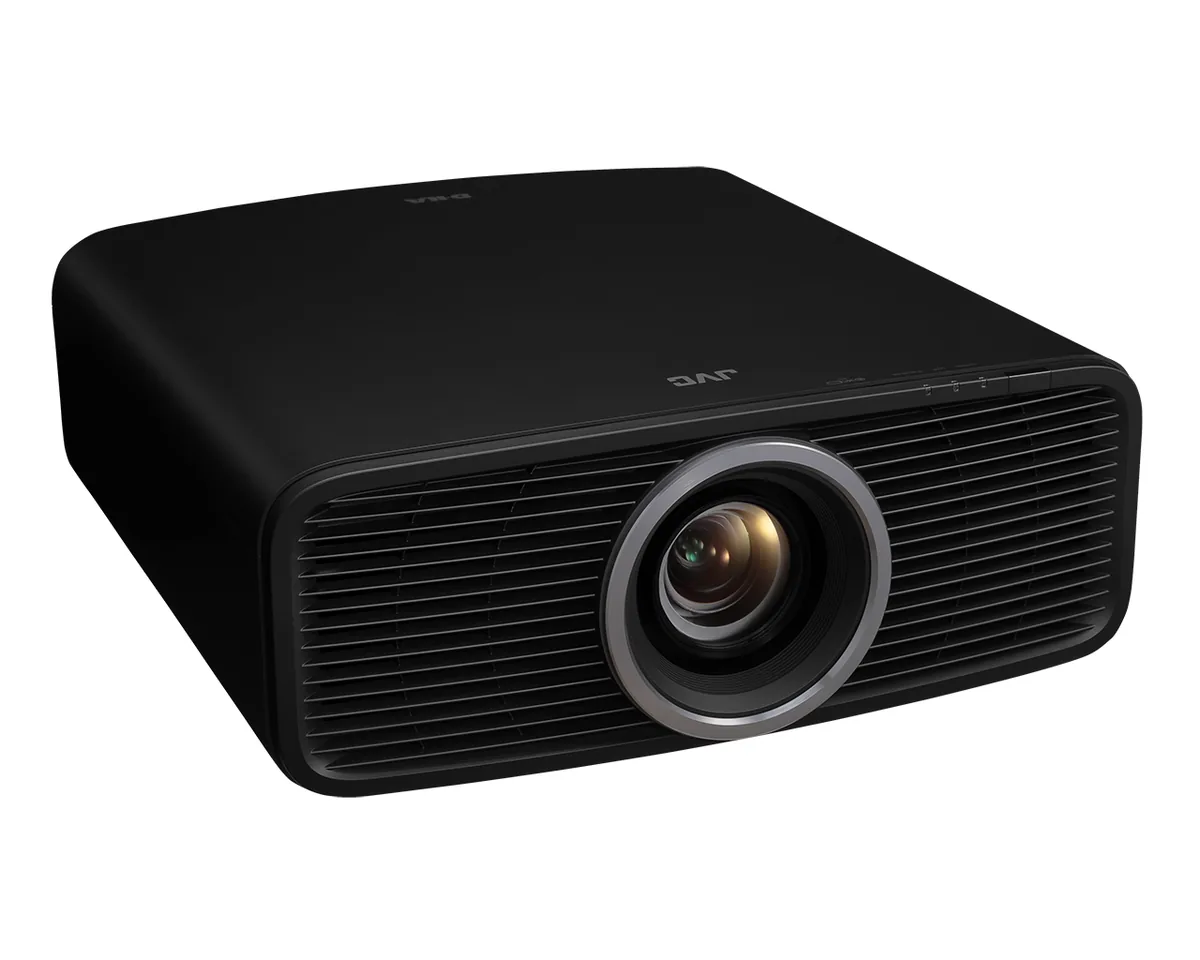
Home theater · D-ILA · Native 4K
Best for: A serious dark-room theater with a scope screen
Home theater · D-ILA · Native 4K
Best for: A light-controlled theater where black level decides the picture
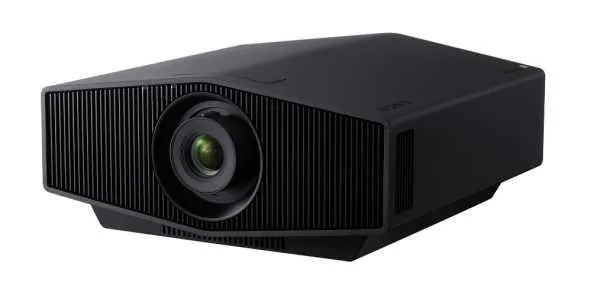
Home theater · SXRD · Native 4K
Best for: A theater that doubles as the best console room in the house